

Hacks and The Premise Problem
Sometimes good writing kills your show.
NEW STANDARD DISCLAIMER: This newsletter aggressively spoils things.

Sometimes people forget that the word “situation” in situation comedy is important—the show is predicated on a situation that the characters are involved with1. They might be coworkers, or neighbors, or relatives. They might gather in the same place, or face the same terrifying apocalypse, or be dealing with specific problems. The point is that the humor spins off of the situation as much as it does the characters2.
This is why a lot of sitcoms become stale and boring: After dozens of episodes, just about every aspect of the original situation has been mined for comedy gold, and there’s just nothing new to surprise the audience with. When that happens, shows face a choice: Keep digging, and slowly fade to cancellation, or change the situation, and probably get canceled even faster because now you’re not the same show3.
This is also why sitcom characters often change and evolve very, very slowly, if at all—in their initial conception, the characters are perfectly aligned with the situation and the comedy engine assembled around it. Change the character for more than a special episode or two, and you fundamentally change the dynamics of the show. So most sitcoms opt to keep everything as much the same as possible, changing only incrementally or when forced to.
Sometimes, however, the writers can’t help themselves, and start treating their characters like actual people who grow, evolve, and change4. And they usually wind up killing their own show via decent writing instincts. Such is the fate of Hacks, the beloved HBO comedy starring Jean Smart and Hannah Einbinder. The show dared to change its situation, and as a result hasn’t been particularly good in its final three seasons.
I Couldn’t Spell Hemorrhoid So I Just Wrote Butthole Blister
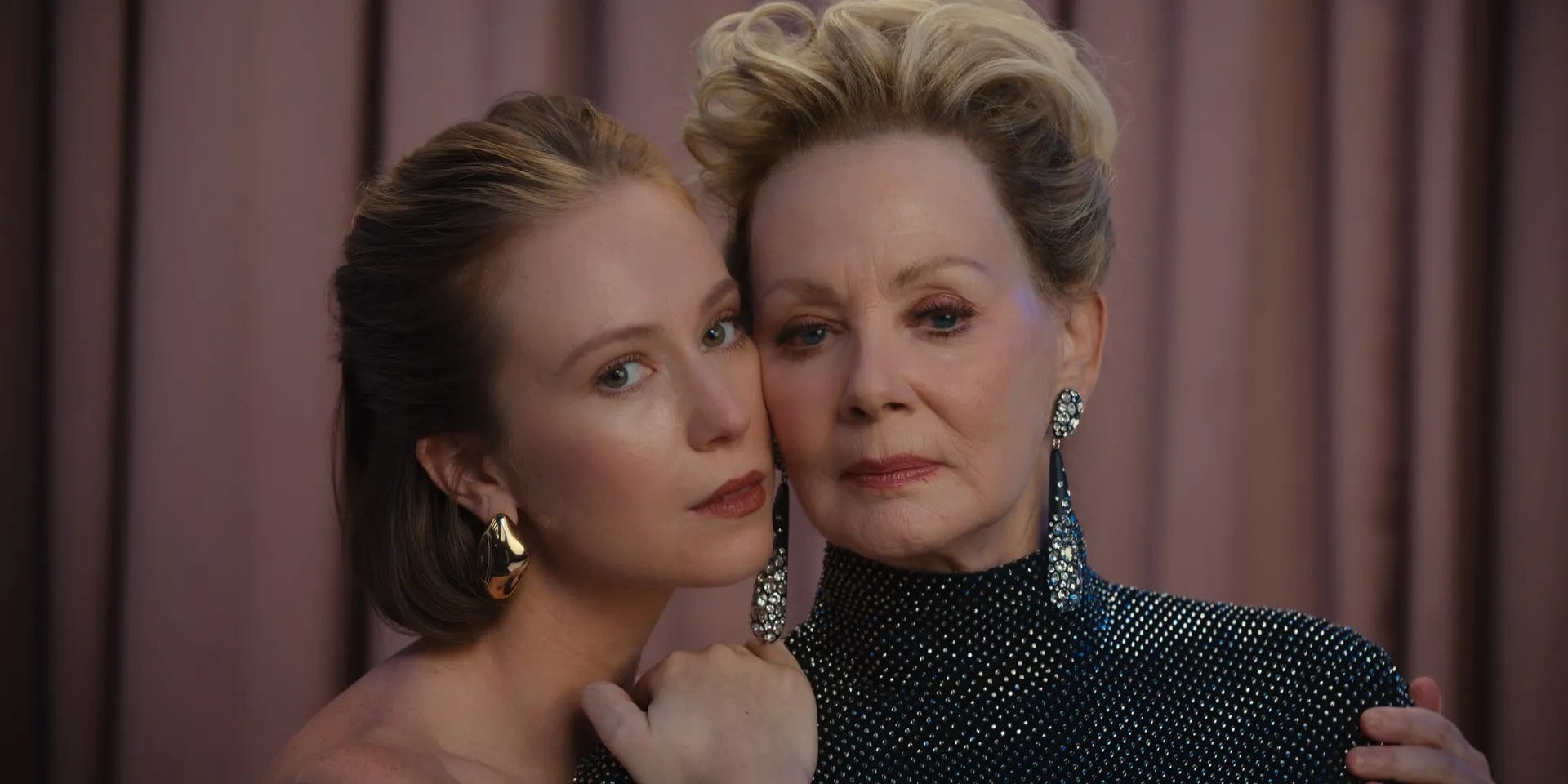
When Hacks began, the situation was an elegant one: Deborah Vance (Smart) was a fading comedian who has allowed her material to go stale5, and loses her headlining residency in Las Vegas as a result. Ava Daniels (Einbinder) is a struggling comedy writer with a reputation problem. Their shared agent suggests they can help each other: Ava can freshen up Vance’s material, and Deborah can give Ava an actual job. The two butt heads immediately—the Boomer and the Millennial. There’s grudging respect and even affection, eventually, but they don’t see the world the same way.
That’s a solid situation for comedy, and it works a charm for the first few seasons. Then the writers did something dumb: They wrote smart.
Ava and Deborah come to like each other. Respect each other. They grow professionally and personally. There are ups and down, but they evolve as people and the whole dynamic changes. There was a lot less Boomer/Millennial humor and a lot more buddy comedy6. The jokes were still there, but they weren’t as sharp any more, and there was an increased reliance on slapstick and some truly stupid side plots, and an increased focus on their agent, Jimmy (Paul W. Downs) and his dramatic, spoiled assistant-turned-partner, Kayla (Megan Stalter), and their stories were always pretty weak. The problem was, the Deborah/Ava dynamic had gotten weak as well. If the first episode you watched was in season 4, you wouldn’t bother tuning in again.
I’ve Never Said This to Anyone Before in My Life: You Should Read Less
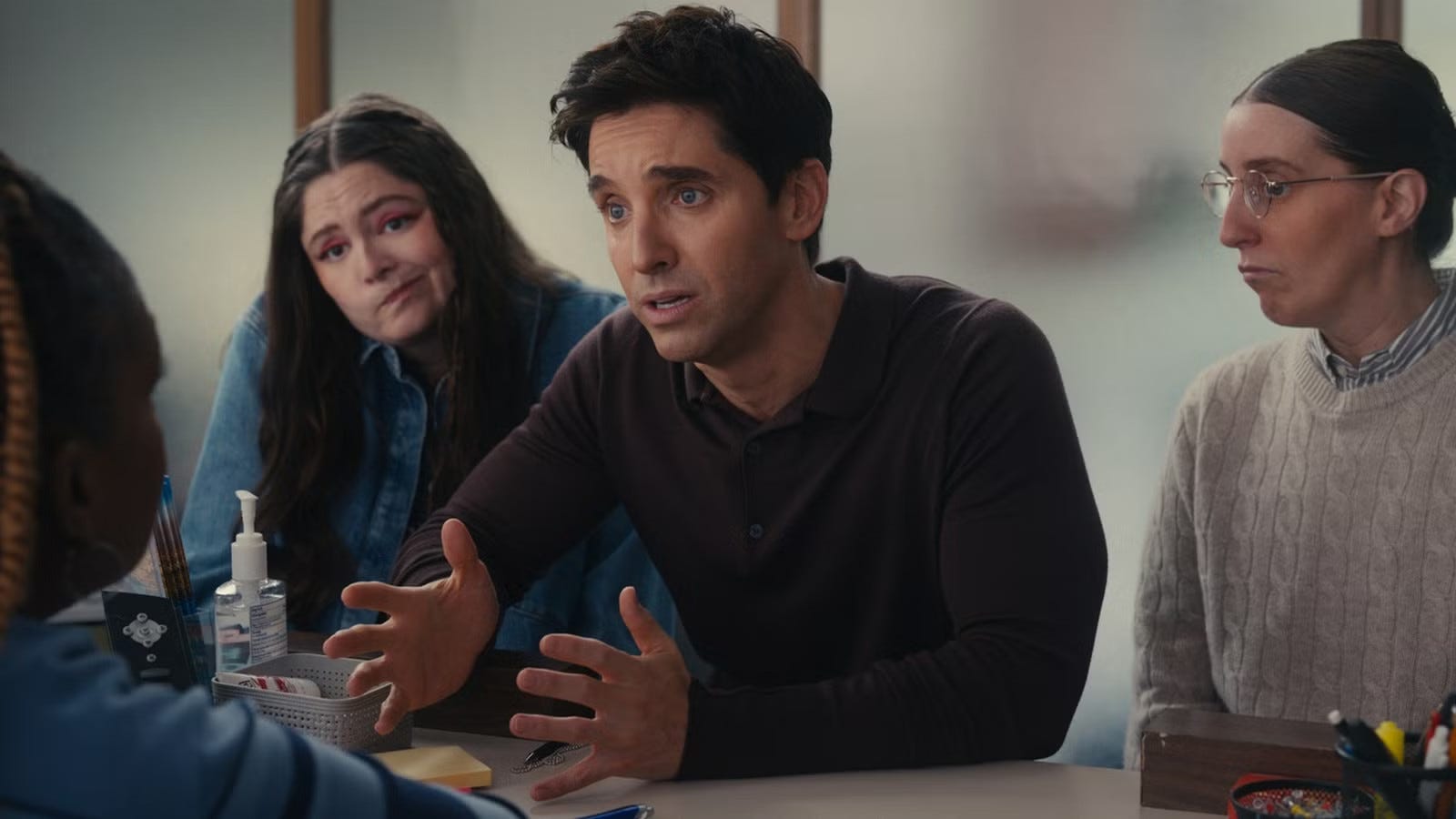
You could tell the show knew this was a problem, as there was an effort to rejigger the duo’s dynamic when Deborah won the coveted hosting gig at Late Night and decided not to bring Ava along as her head writer, and Ava blackmailed her way into the job, making them vicious enemies. This was supposed to reset their relationship so they could get back to insulting each other in creatively hilarious ways—and, honestly, it could have worked. The problem here was that Ava now had power and professional acumen, which ruined the balance7. And then that ornery character development took hold: Since the people Ava and Deborah had become were no longer the snarling, self-obsessed assholes of season one, they couldn’t maintain the negative energy. It wasn’t long before they were having heart to hearts and apologizing to each other.
Then, the writers contrived to have Deborah ruined and drag Ava around the world as she spiraled, trying again to shake up the dynamic and put the characters in opposition again. But it still didn’t quite work, because now they were isolated from the ensemble that gave their relationship context and shape, and it felt like a strange, completely different show. Hats off to the writer’s room for trying a few things, honestly—but it was never going to work8.
There’s no winning, though. If the show had maintained the situation and refused all efforts at growth, I’d be writing about how stale and cowardly the show was, and probably complaining that its characters were flat and not evolving or something9. Serial entertainments—except soap operas—always bend toward failure10. It’s just difficult to keep things fresh without sacrificing the essential DNA that made the show interesting in the first place.
The tragedy of a lot of series is that, had they ended when they ran out of story runway, they might be remembered as all-time classics, but they often overstay their welcome. Then again, if someone is paying you ungodly amounts of money to produce a series, you can’t be blamed for convincing yourself that you can make it work. Trust me, I’d be cranking out Avery Cates novels on a weekly basis if someone offered me enough money11.
Which leads me to my main point: Please send me money. I know this newsletter is free, but I have paypal, and I’m wearing cardboard shoes.
NEXT WEEK: Thelma and Louise and one terrible scene.
If you enjoy this newsletter, consider subscribing to my paid fiction Substack, Writing Without Rules: From the Notebook!
For example, a pitch for a sitcom about my life would read aging author lives with five cats, drinks heavily, spends evenings staring into void, hilarity ensues. I’m not 100% about the last part, but you get my point.
Like when I stand up in a crowded bar or restaurant and my pants fall down. The humor stems from the situation, not the fact that I am probably wearing a paper bag as underwear.
Or Option X: Introduce a cute kid with a catchphrase, like “Smooth move, oldhead.” (note this was definitely NOT taken from my real life and a meanspirited nephew).
At my advanced age I can definitely tell you that personal growth is wayyyy overrated.
I get this, because I’ve been singing the same 3 songs to my cats for 20 years and I can’t seem to come up with a new one. Okay, that’s a lie, because I’ve been singing a song adapted from “Fish Heads” to my new cat, Pinfu. Why did I tell you that?
I am not looking forward to the moment that The Kids replace “boomer” with “Gen Xer” as a universal put-down.
Someday I hope to know what it’s like to have power and professional acumen. Until then, I will nap. I may have a motivation problem.
Increasingly, I feel like telling you that I occasionally sing to my cats was a mistake.
I mean, I have to complain about something, right? Wait … right? Do some of you not complain?
This is because soap operas are pre-failed. And I say this as a man who used to come home from grammar school at lunch to watch The Guiding Light with his grandmother.
For the record: This is a surprisingly small amount. Try me.
Made me think about the Elton John/Bernie Taupin arrangement for a minute.